Automation is the easy part. Keeping a human in charge is the design.
Reasoned like a product mind, drawn like a designer, prototyped in code. Complex products from first idea to shipped, usually the only designer.
Product Design / Agentic AI / Human-in-the-Loop / 0 to 1 / Design Systems / User Research
Products, not portfolios.
Grouped by what each one proves, from award-winning launches to work in progress.

From literature to molecule, in one conversation.
Designed 0 to 1, prototyped in code
One prompt replaces the lab's disconnected tools. Scientists brief an AI co-scientist in plain language, and literature, simulation, and synthesis planning unfold in a single thread.
View project →

An AI runs the books. A human signs off on every move.
An AI agent for the finance inbox, human-approved
The real problem was trust. Agents reconcile, flag, and route the work, but every decision surfaces as a state a person can approve or override, so nothing moves unseen.
View project →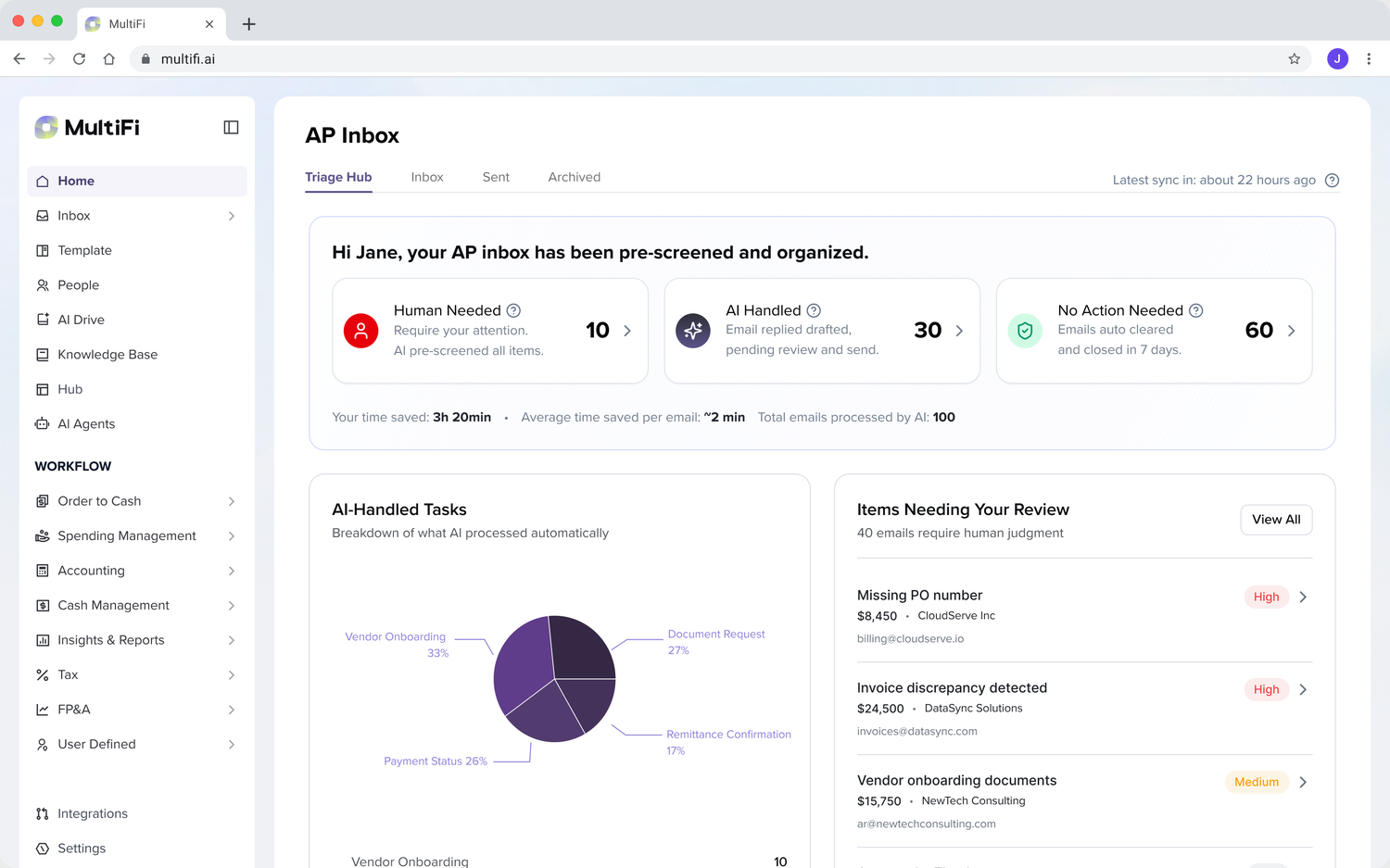


Describe a campaign in one sentence. Four AI agents build and ship it.
Four AI agents in one marketer-led workflow, built in weeks
The hard part wasn't the four agents. It was keeping one marketer in command of them. Every handoff stays legible, and you approve in plain language, never a prompt.
View project →

From idea to posted, without switching tools.
A consumer social-media creation app
The tool finally keeps up with the maker. A creation OS with intelligence that anticipates your next move instead of interrupting it.
View project →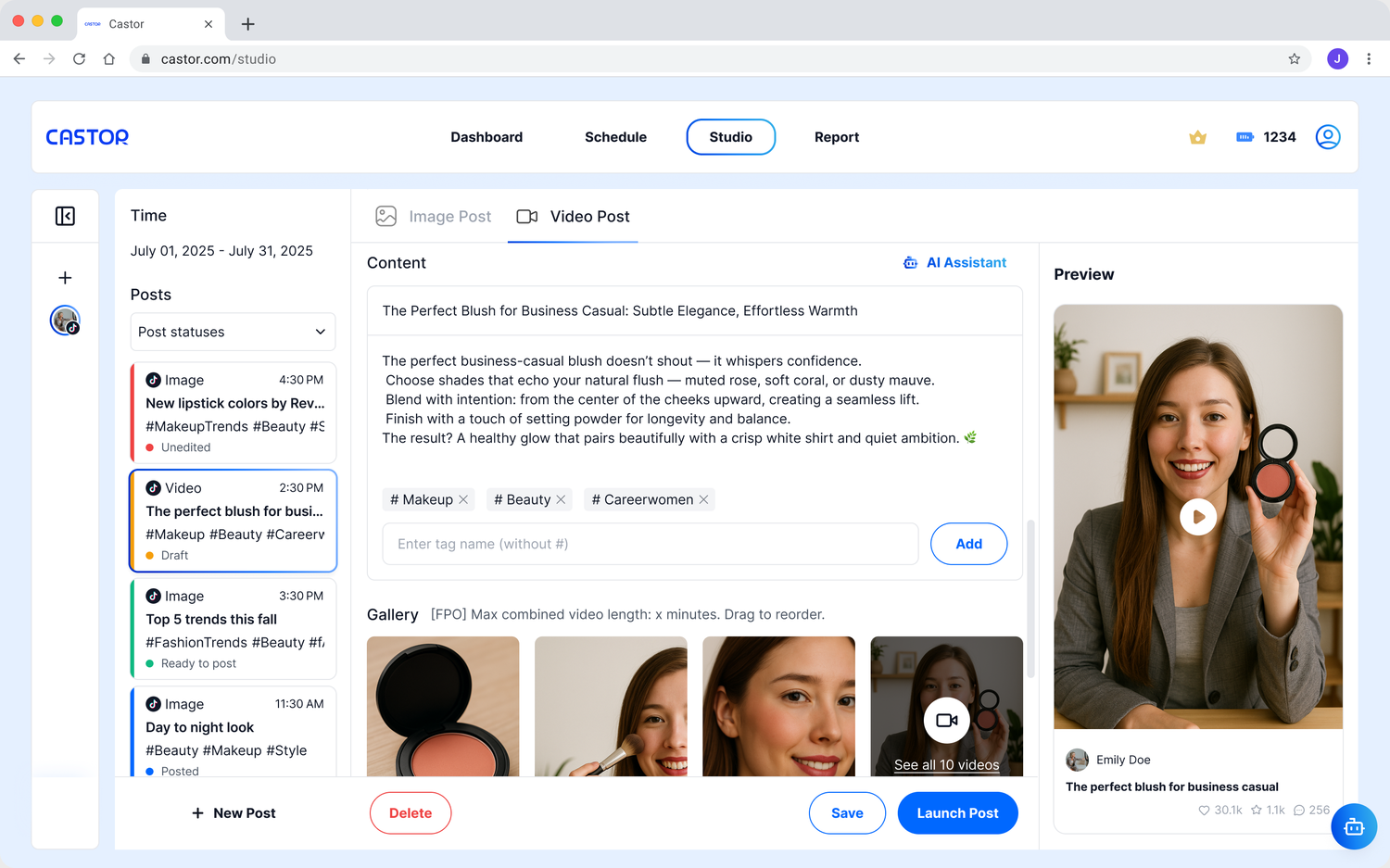

Turn earnings into buying power, the second they land.
Instant seller payouts, live in UK + DE
Sellers used to wait days to touch their money. The stored-value flow closes that gap, funds usable the instant a sale clears, to spend on eBay or cash out.
View project →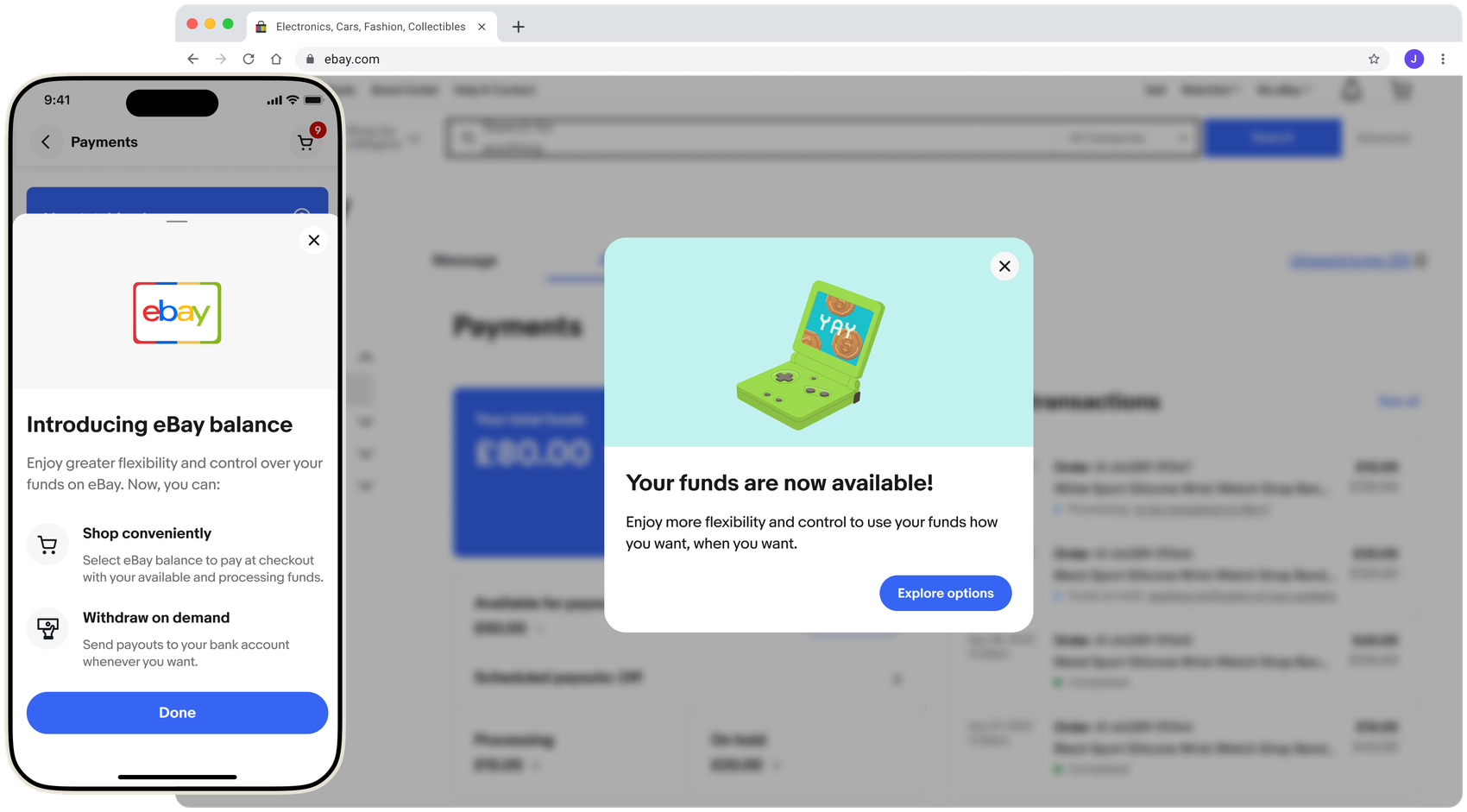
See exactly where every fee goes.
So pledged donations actually get paid
Pledged donations often went unpaid. Netting them like a transaction fee guaranteed collection, but auto-deducting from someone's proceeds can feel like money quietly vanished. Reusing the fee-details pattern to break the charity amount out per item makes the deduction read as a gift, not a surprise.
View project →
Strong product thinking, before pixels.
AI runs through every stage of how I work, from framing the problem to handing off in code. It lets me think faster, research deeper, and ship more, and I stay the one making the calls.
Start with the messy problem
The problem comes before Figma: research, constraints, the real business goal. Pretty pixels solving the wrong thing help no one.
Make the complex feel obvious
AI, finance, agent systems. The job is to turn intimidating machinery into clear states, honest defaults, and one obvious next step.
Prototype in code, with AI
AI is a fast pair of hands, not a decision-maker. A rough working version in code shows how it really behaves; the actual calls stay human.
Measure what moved
Revenue, adoption, cancellations, speed. The design is held accountable to outcomes, not applause.
03 Capabilities
What I bring to a product team
0 to 1 product design
From a vague vision to a shipped, running system, SynMateris and MultiFi, both taken from zero.
Agent & AI-product UX
Autonomous systems people actually trust: triage lanes, visible state, a human in the loop.
Prototyping in code
I ship running prototypes, not just mocks, so teams align on how it truly behaves.
User research that reframes
One MultiFi interview turned "verify every prediction" into "triage by action."
Information architecture
Cut a whole navigation layer out of a 100+ screen research OS so experts stopped getting lost.
Design systems at scale
One system across 100+ screens: a viewer per file type, a reusable component library.
Cross-functional leadership
Aligned founders, engineers, and model teams with no formal authority, and held the PM seat when there was none.
Enterprise + consumer range
Shipped eBay fintech for UK + DE sellers and consumer creation apps. Red Dot x2, iF.
Let's work together.
The work spans the whole problem: framing what to build, designing how people come to trust it, and prototyping it in code before it reaches engineering. If that's what you're building, let's talk.